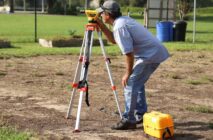

Surveys are among the most important documents when it comes to buying and selling property in Florida. Unfortunately, they can also be quite commonly misunderstood. There are different types of surveys that are suitable for different circumstances, and mistakes here can be costly and even lead to legal disputes. Two of the most frequently used—and confused—survezs are boundary surveys and land surveys.
While these terms can involve similar elements, they serve different purposes. Getting a firm understanding of which of these surveys is appropriate for the property you’re buying or selling is key to having a smoother real estate transaction. It can help you to make more informed decisions about property purchases, ensure you comply with your legal obligations, and avoid complications.
Why Do Property Surveys Matter?
In essence, property surveys are important because they provide clarity on exactly what a seller is selling or a buyer is buying. It can’t be assumed that the points at which a property appears to begin or ends—or even the visible features of a property—also make up the legal definition of the property.
Additionally, various factors can impact a property over time, altering what may be included when it is put up for sale. These aspects might include:
- Coastal erosion
- Wetlands
- Flood zones
- High-density development
- Zoning regulation changes
As a result, obtaining accurate surveys is essential. Indeed, many lenders require either a boundary survey or land survey before agreeing to provide funding. Title insurers, too, tend to require the legal clarity provided by these documents.
What Is a Boundary Survey?
As the name suggests, boundary surveys focus on identifying and clarifying where a property ends and the neighboring parcel of land begins. This process will be conducted by professional boundary surveyors with experience in conducting on-site inspections, alongside reviewing documents such as recorded deeds.
Some of the elements that are included in a typical boundary survey include:
- The location of property corners and boundary lines
- Identification of relevant monuments, markers, and reference points on the property
- Detailing of the dimensions and shape of the parcel of land
- Highlighting of encroachments that cross property lines, including fences or driveways
One of the most important things to understand about a boundary survey is that it is quite limited in scope. Their primary function is to minimize uncertainty about property lines, and therefore the information they provide tends to be restricted to components relevant to this goal.
What Is a Land Survey?
“Land survey” is actually a relatively broad term that can describe a range of survey types. Generally speaking, land surveys are designed to capture specific types of details within a property and provide buyers, sellers, and other third parties with a comprehensive view of what is included in a parcel of land.
Some common elements a land survey can incorporate include:
- The boundaries and dimensions of a property
- What buildings, structures, and improvements are included on the property
- The presence of any easements, access points, and rights-of-way on a property
- The roads, sidewalks, and utilities that form part of a property
- The locations of natural features on a property, such as bodies of water
An important point to understand here is that because land surveys are intended to capture specific types of information, it’s vital to communicate clearly with the surveyor about why the survey is required. They can then arrange the relevant topographic surveys, construction surveys, and other methods of data capturing that meet your needs.
Key Differences Between Boundary Surveys and Land Surveys
For the most part, the main differences between the two definitions of surveys lie in the following areas.
| Difference | Boundary Surveys | Land Surveys |
|---|---|---|
| Scope | A relatively narrow focus | Captures a broad view of the property |
| Purpose | Establish precise property lines and identify encroachments | Develop a comprehensive documentation of the property |
| Level of detail | Usually limited to where the property begins and ends, alongside details of the shape of the property | Depends on specific needs, but can include boundaries, easements, utilities, and physical features |
| Cost | Typically less expensive due to the narrower scope of information captured | More expensive, due to additional time, research, and fieldwork required |
When is a Boundary Survey Usually Appropriate?
Boundary surveys provide simple, clear information about the shape of a property. Therefore, they tend to be required or are most appropriate when clarity is needed to mitigate the potential for current or future legal disputes about where the property begins and ends.
Some of the common scenarios that boundary surveys can be useful in include:
- When resolving boundary disputes between property owners
- Verifying the correct boundary lines before installing a wall or fence
- Establishing the correct setbacks—the minimum required distance between a property line and building—before starting construction
- Providing clarity on lot dimensions when parcels are old or irregular
- Addressing encroachments that have been revealed during a transaction
It’s worth noting that boundary disputes can quickly escalate into legal conflicts that can be costly and complex. This is one of the reasons many lenders and title policy providers insist on them. While they don’t provide extensive information, they do offer basic information that helps to avoid some of the most common disputes between landowners.
When is it Worth Getting a Land Survey?
Land surveys provide buyers and sellers alike with a significant amount of information about a property. However, this process also requires significant investment. Therefore, it tends to be more sensible to restrict getting these surveys for circumstances where greater levels of data are necessary or legally required.
Some of the common situations in which land surveys can be advantageous include:
- When purchasing commercial or multi-use properties
- If you’re planning to use the land for construction or are considering significant renovations
- When there are questions around zoning compliance or land use restrictions
- To align with requirements from financing providers that insist on greater detail
- To obtain title insurance that requires broader survey scope
In addition, buyers can find it useful to commission a land survey when they require reassurance that there are no issues that aren’t immediately apparent during a visual inspection. While this represents additional cost, it can put buyers into a stronger position to negotiate price adjustments or legal protections.
Overall, the choice you make needs to consider what the end goal of surveying is. When the situation is relatively simple, it is often the case that a boundary survey is sufficient. However, more comprehensive land surveys can offer not just useful data, but additional protections and confidence that come with the deeper dive.